
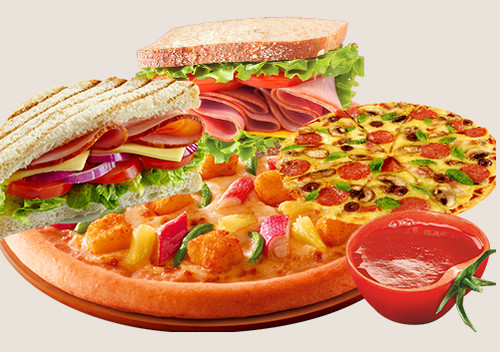
Quick-frozen pastries are frozen foods processed through rapid low-temperature freezing (below -18°C). At such low temperatures, moisture in the food tissue does not evaporate, and microorganisms cannot continue to reproduce, ensuring the food’s safety for consumption.
Quick-frozen pastries refer to staple foods made primarily from rice, noodles, or coarse grains (using the same principle as frozen pasta), along with meat, vegetables, and other auxiliary ingredients. They are processed into various ready-to-eat or pre-cooked dishes. Thanks to freezing technology, they can be used immediately and are suitable for general freezing and transportation under appropriate conditions.
How to Purchase Quick-Frozen Pastries?
In daily life, it is essential to strictly control the selection, purchase, storage, and cooking of quick-frozen foods.
Pay attention to brand and shelf life:
Generally, well-known brands offer higher quality and reliability. When purchasing, make sure to clearly check the packaging for details such as the product name, manufacturer’s address, production date, and expiration date. Although frozen foods have a long shelf life, it is still advisable to choose products with packaging dates closest to the production date.
Selecting bulk quick-frozen foods:
Various bulk quick-frozen pastries are always popular in the market. However, since these items are often handled repeatedly, extra care is needed. If certain frozen foods appear whitish due to excessive temperature fluctuations during storage, it indicates moisture loss and drying. Avoid purchasing such items. Instead, choose foods that show no obvious signs of thawing.
Bring frozen foods home promptly after purchase to prevent thawing on the way:
After buying quick-frozen pastries, if you do not plan to consume them immediately, store them in the freezer as soon as you return home. Once placed in the freezer, consume them as soon as possible. Prolonged storage in a freezer with unstable temperatures can lead to ice crystal formation and cracking, significantly reducing the nutritional value of the pastries.
During storage, avoid placing them with other raw foods like fish, meat, or poultry:
Different foods stored together can cross-contaminate with bacteria, leading to spoilage. Unsealed quick-frozen pastries should be consumed quickly, while unprocessed items should be sealed and stored in the freezer compartment.
Use an appropriate amount of water when cooking:
When cooking, use less rather than more water, as excessive water can lead to the loss of water-soluble vitamins. Many nutrients in food are water-soluble, such as inorganic salts (up to 10–25%) and vitamins (up to 15–25%). To minimize nutrient loss, when cooking certain dishes, add a suitable amount of starch to thicken the broth and make full use of the remaining soup.
Pay attention to cooking time:
Quick-frozen pastries are very convenient for daily use. However, when purchasing, it is important to check the product label carefully, including the production date, ingredients, and other details.

E-mail: lsyingye@sdfoods.cn
Website: www.sdfoods.cn
Add: No. 51, Desheng Road, Bailinzhuang Subdistrict Office, Laiyang City, Shandong

 CN
CN